GIFs in the Wild
A decade of animated GIFs, stickers, brand work, and commissioned collections on GIPHY — with 13.5 billion views and counting.
346 GIFs, 13.5 Billion Views
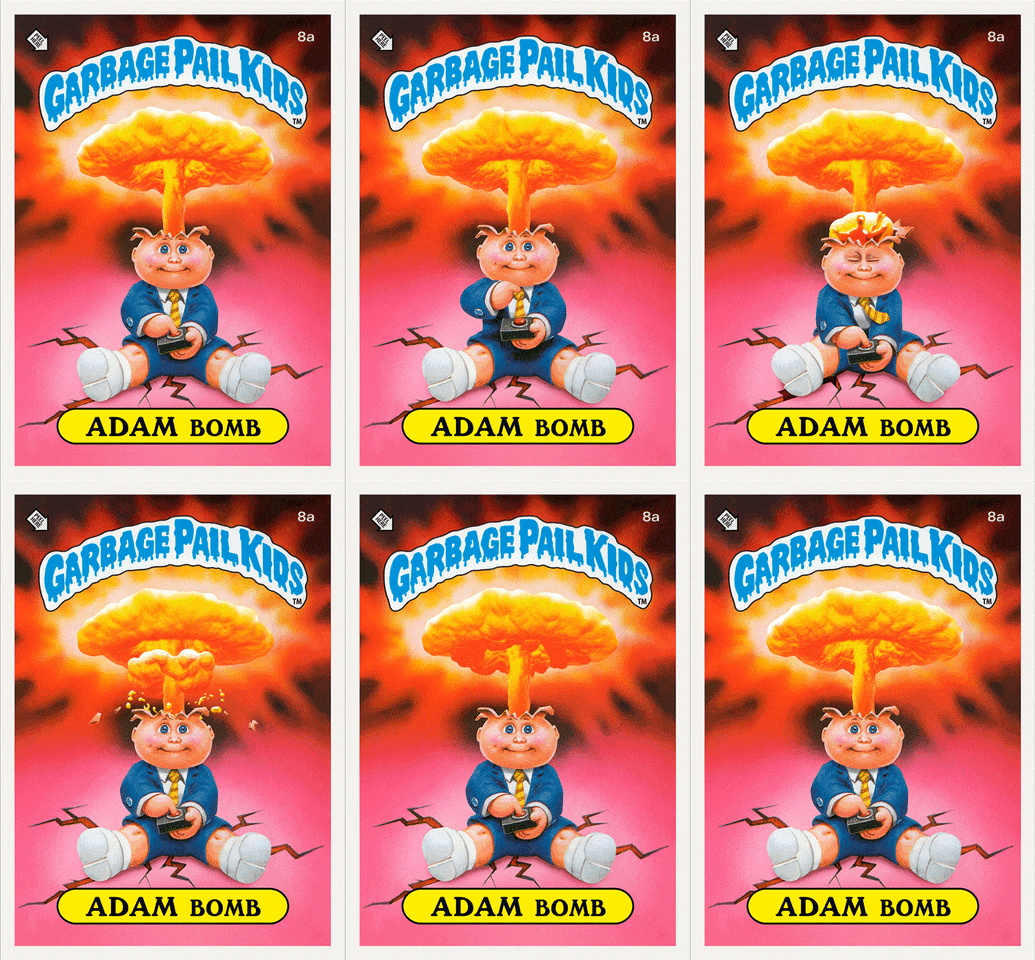
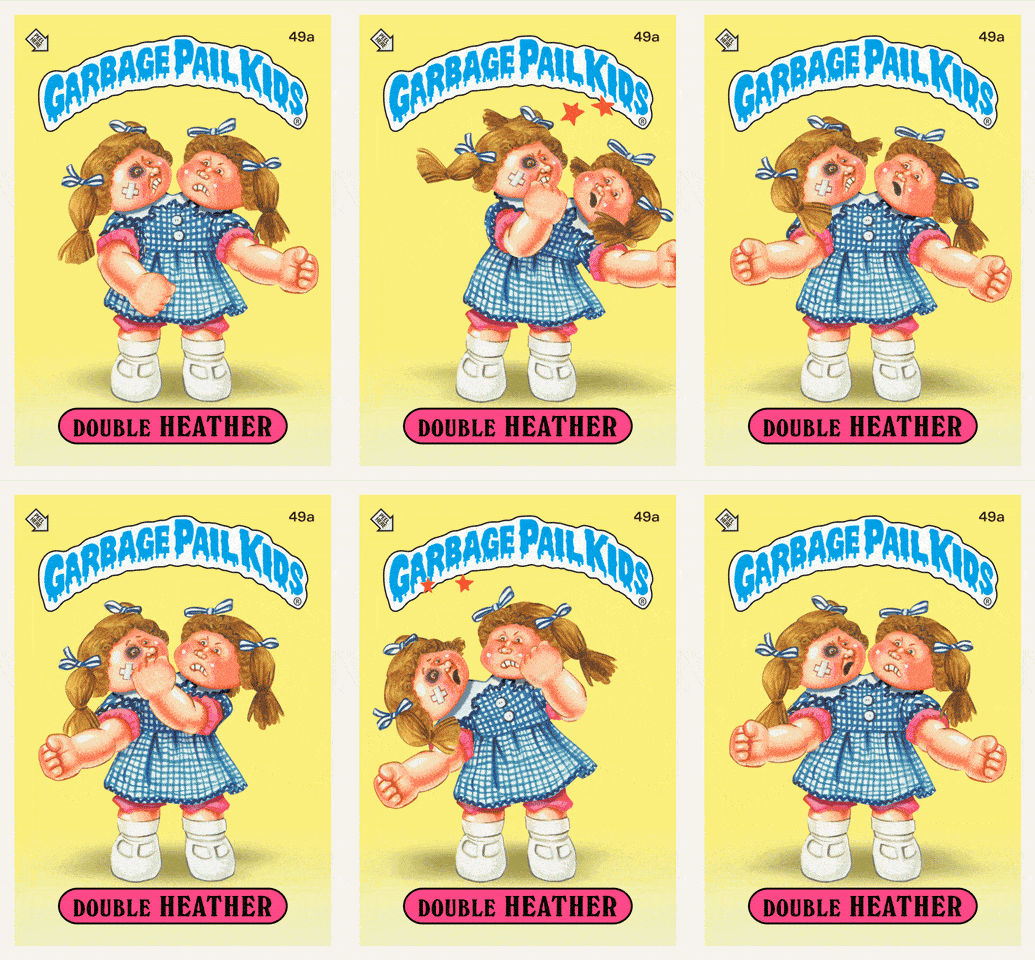
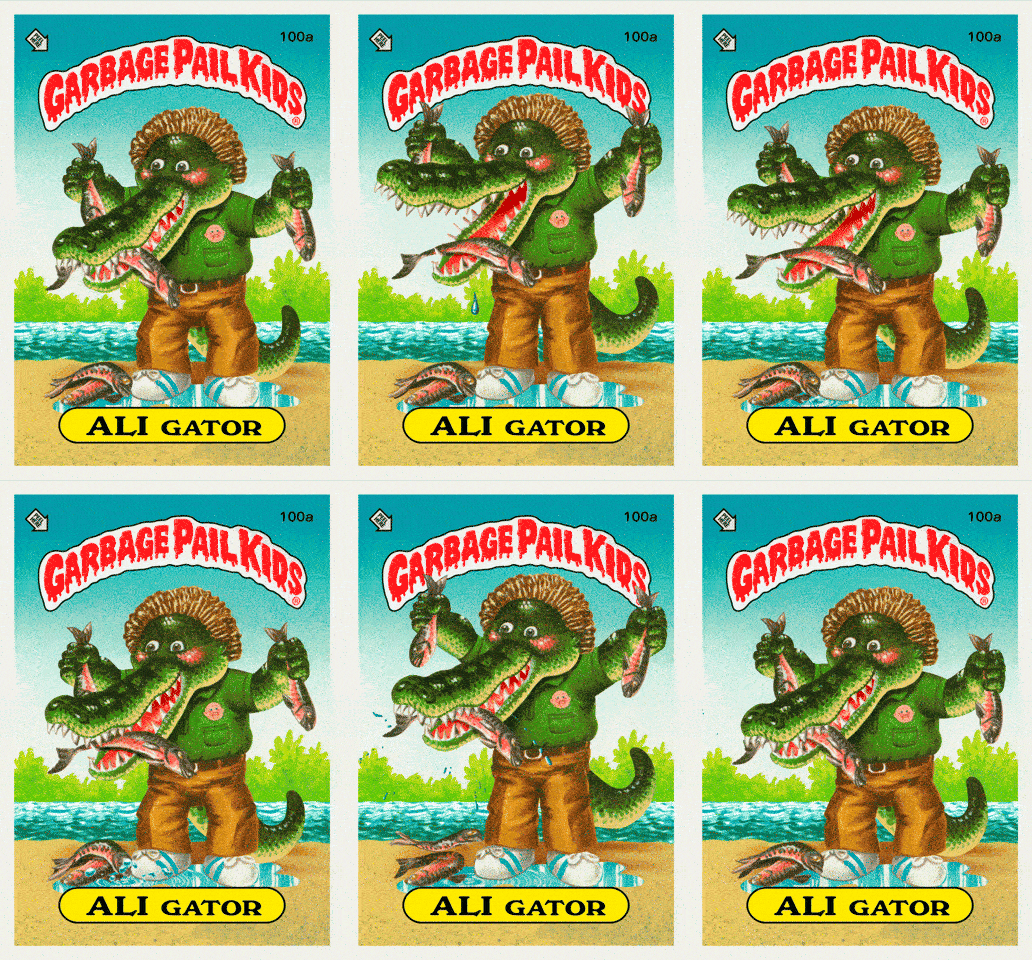
GIPHY has become one of the main ways people use animation in everyday conversation. GIFs show up in texts, social posts, Slack threads, keyboards, and reaction searches, often without anyone ever visiting GIPHY itself. I started uploading my work there in 2015 as a place to collect animations, experiments, brand work, and character pieces.
Over time, the channel became something much bigger. I’ve created 346 GIFs and sticker animations spanning original work, commissioned collections, and client projects, generating more than 13.5 billion views. Watching how people actually find, choose, and reuse that work has also shaped how I think about animation, search behavior, and social content.
CHANNEL
GIPHY – @justingammon
STUDIO
Weirdo Works
YEARS
2015–present
MY ROLE
Art Direction, Illustration, Animation, Channel Strategy
DELIVERABLES
Animated GIFs, Stickers, Brand Content, Commissioned Collections
RESULTS
346 GIFs
13.5B+ views as of September 2026
Commissioned work and client opportunities generated through the channel
GIPHY feed

Top Term: “BACON”
3.1B Views

Top Term: “EGG”
344M Views
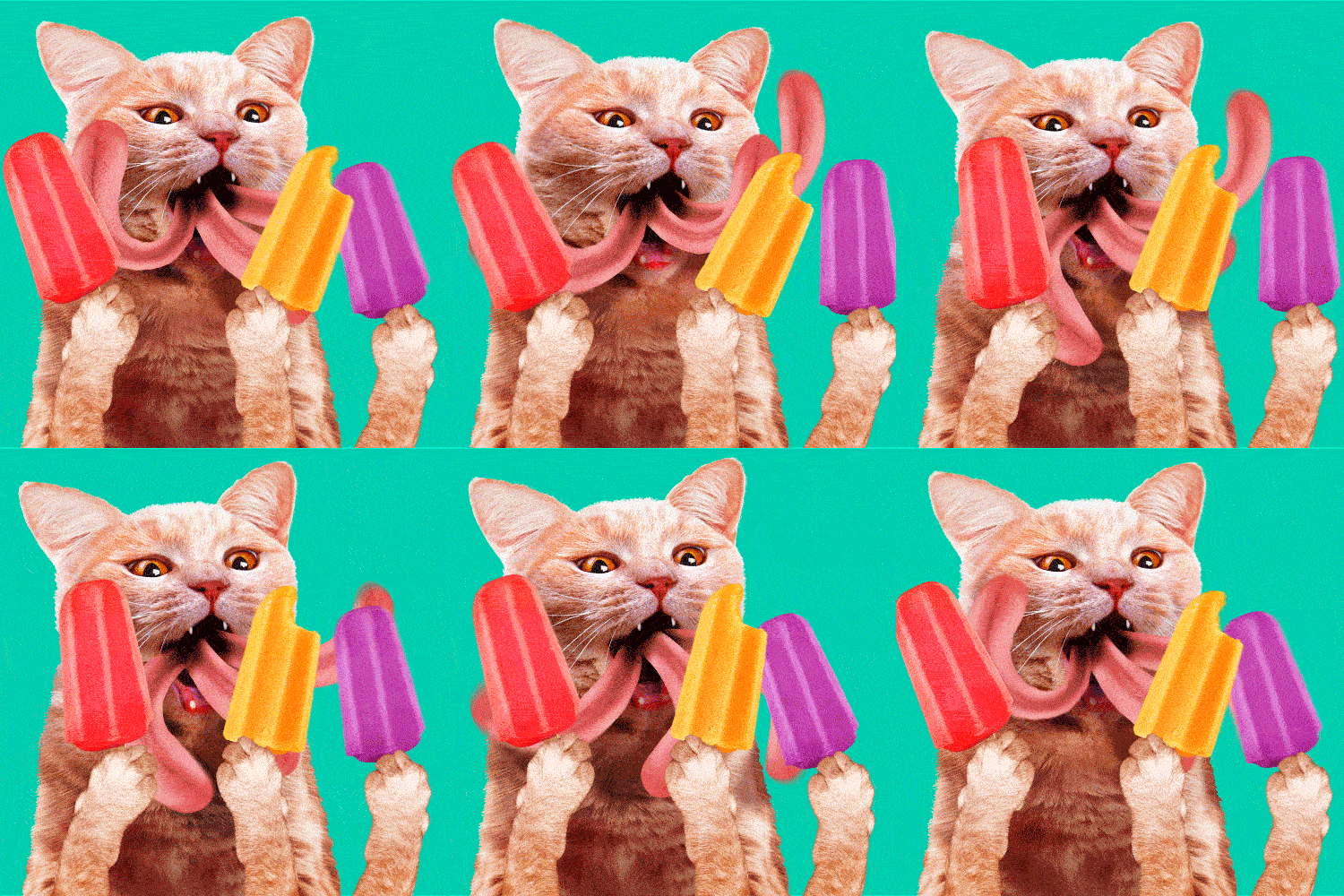
Top Term: “POPSICLE”
254.3M Views
How GIFs Actually Get Found
Search, Not Feed
Most people don’t browse GIPHY like a social feed. They encounter it through search inside a text thread, social app, or keyboard, usually by typing a single word like “hungry,” “Friday,” or “cheers.” Whatever surfaces in that moment becomes the set they choose from.
That makes tagging part of the creative strategy. A great GIF attached to the wrong search terms can disappear completely, while a well-tagged piece has a much better chance of getting seen, selected, and reused. Brand names matter less than the everyday words people are actually typing.
The Tag Gets You In, the GIF Gets You Picked
Two Things Have to Happen
Getting surfaced and getting chosen are two different problems. The tag puts the GIF in front of someone; the idea and execution determine whether they actually use it.
The strongest-performing pieces tend to do both well. They’re connected to a common search term, but they also have a clear visual joke, readable motion, or useful reaction built into them. That combination is what turns a searchable animation into something people keep picking.
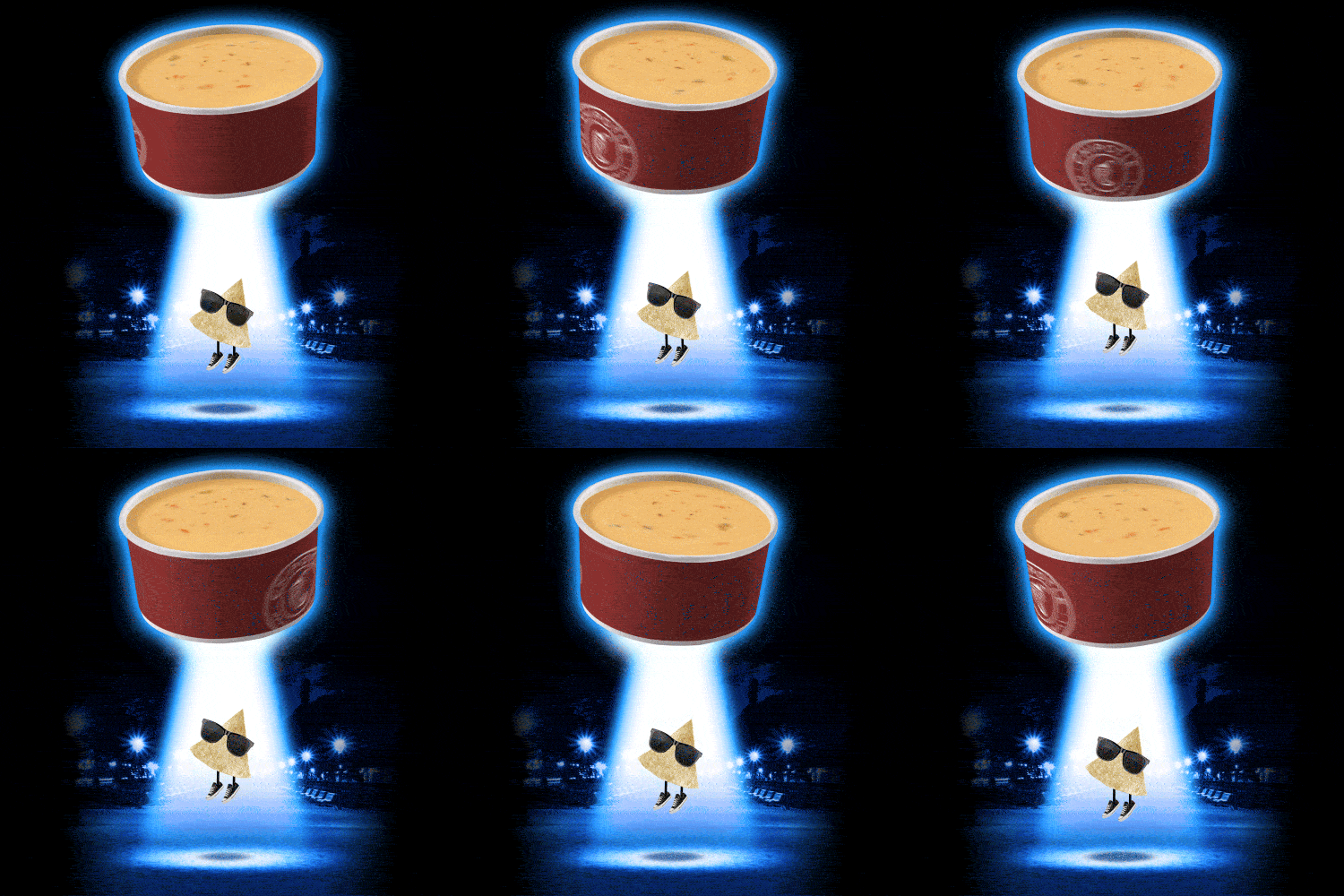
Top Term: “QUESO”
10.7M Views
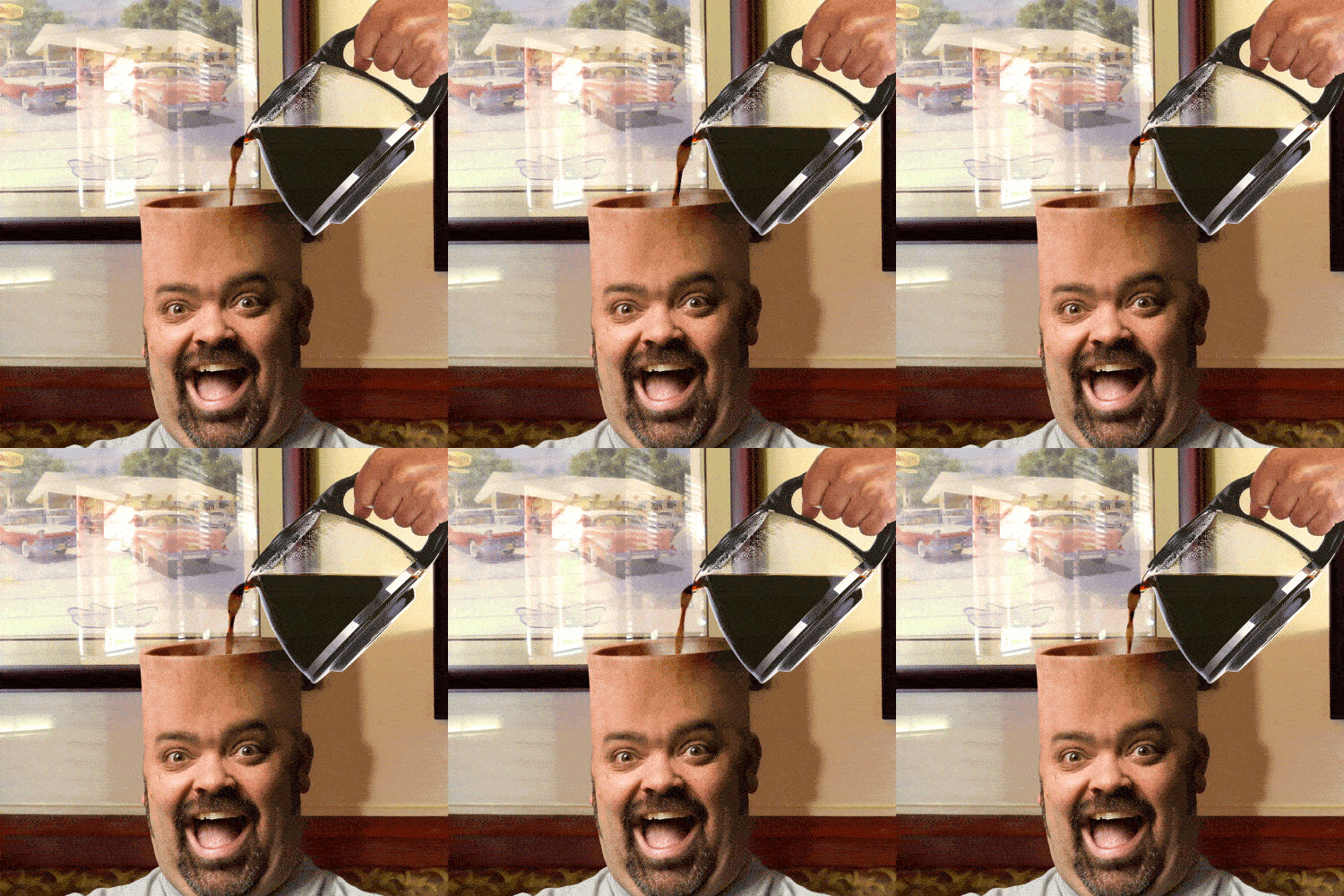
Top Term: “CAFE”
134M Views

Top Term: “VOXI”
106M Views
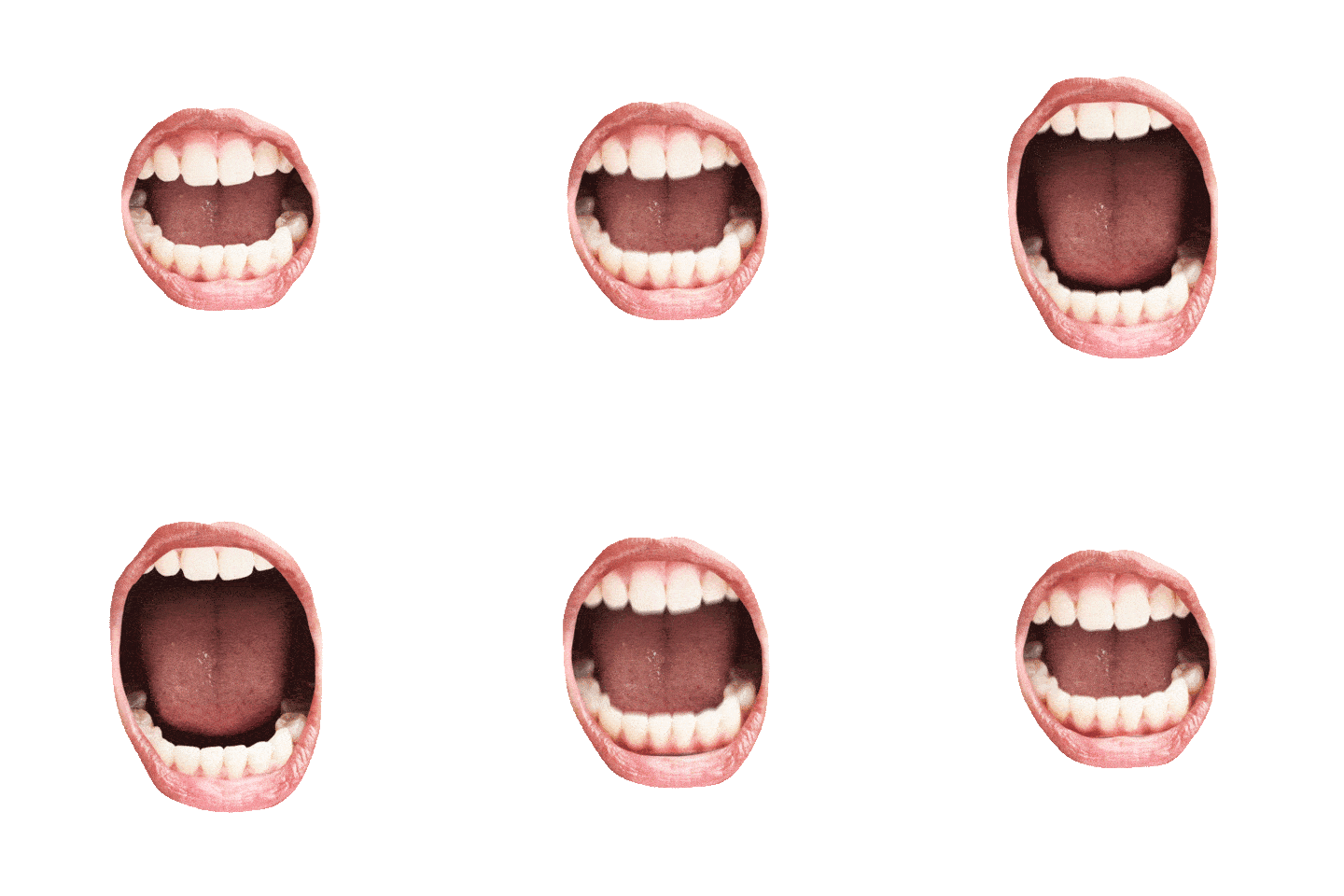
Top Term: “MOUTH”
1.1B Views

33.1M Views

Stickers In-Use
Stickers Work Differently
No Frame to Hide In
Stickers work differently because there’s no background doing any of the visual work for you. They have to sit on top of someone else’s photo, video, or Story and still read instantly at almost any size.
That makes silhouette, contrast, and simplicity especially important. If the form gets muddy or the animation depends on too much detail, the sticker falls apart. The best ones work as a shape first and an animation second.
What It’s Led To
Found, Not Pitched
Some of the most interesting opportunities from the channel came without a pitch. Topps found the Mars Attacks GIFs I had made for fun and commissioned official animation for the property’s 60th anniversary. Other work led to projects with brands and collaborators who first came across the channel organically.
That’s probably the most useful thing GIPHY has become for me. It isn’t just a place to archive finished work. It’s a body of searchable animation that keeps circulating long after I upload it, sometimes putting the work in front of people I never would have reached otherwise.